

Salus Spa
Discover Ozone Therapy
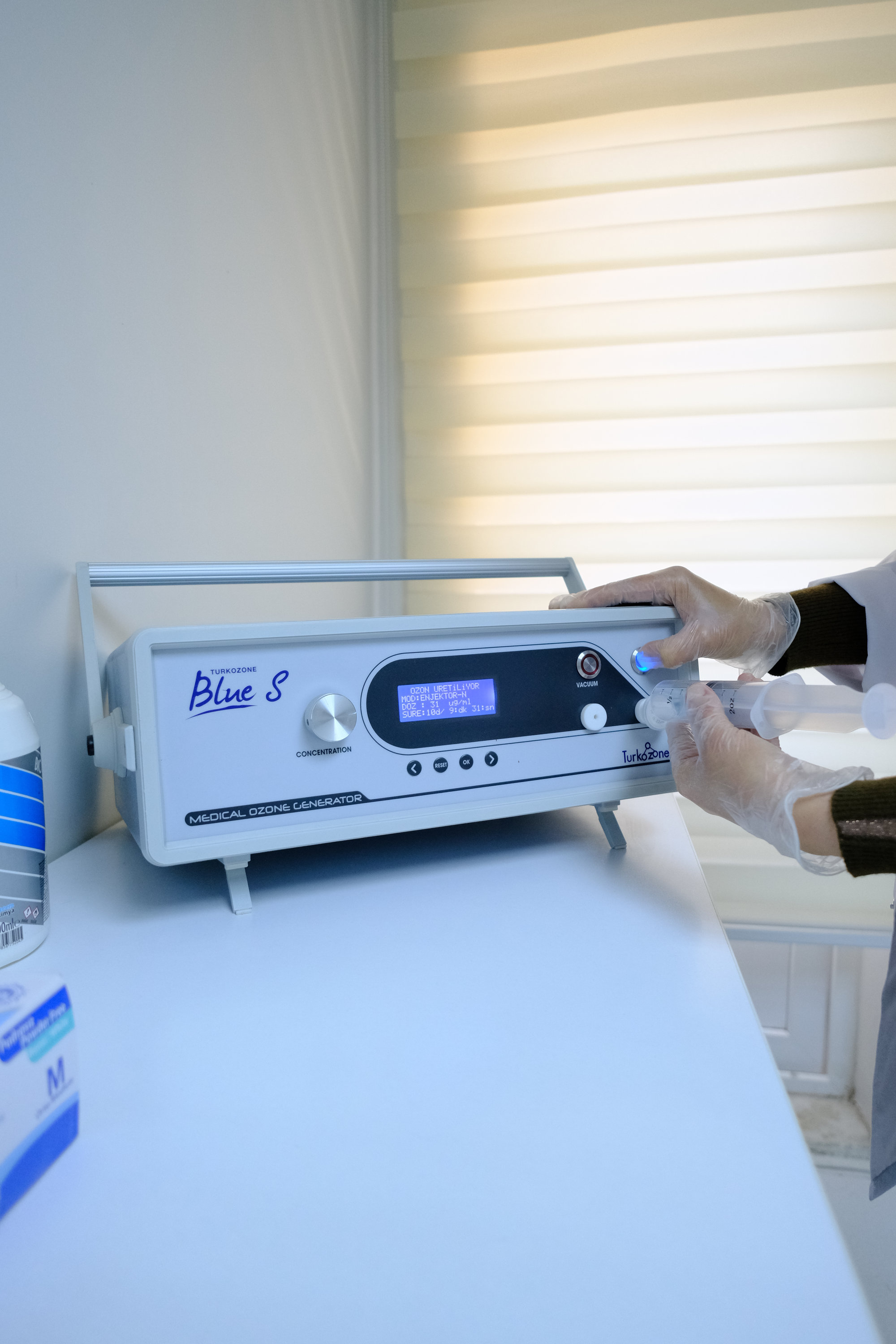
Ozone is a gas made of three oxygen atoms. The supervised use of a medical ozone-oxygen mixture as a complementary health application is commonly called ozone therapy.
Learn about ozone applications with Dr. Hatun Çiçek and discuss whether an application may be suitable for you.
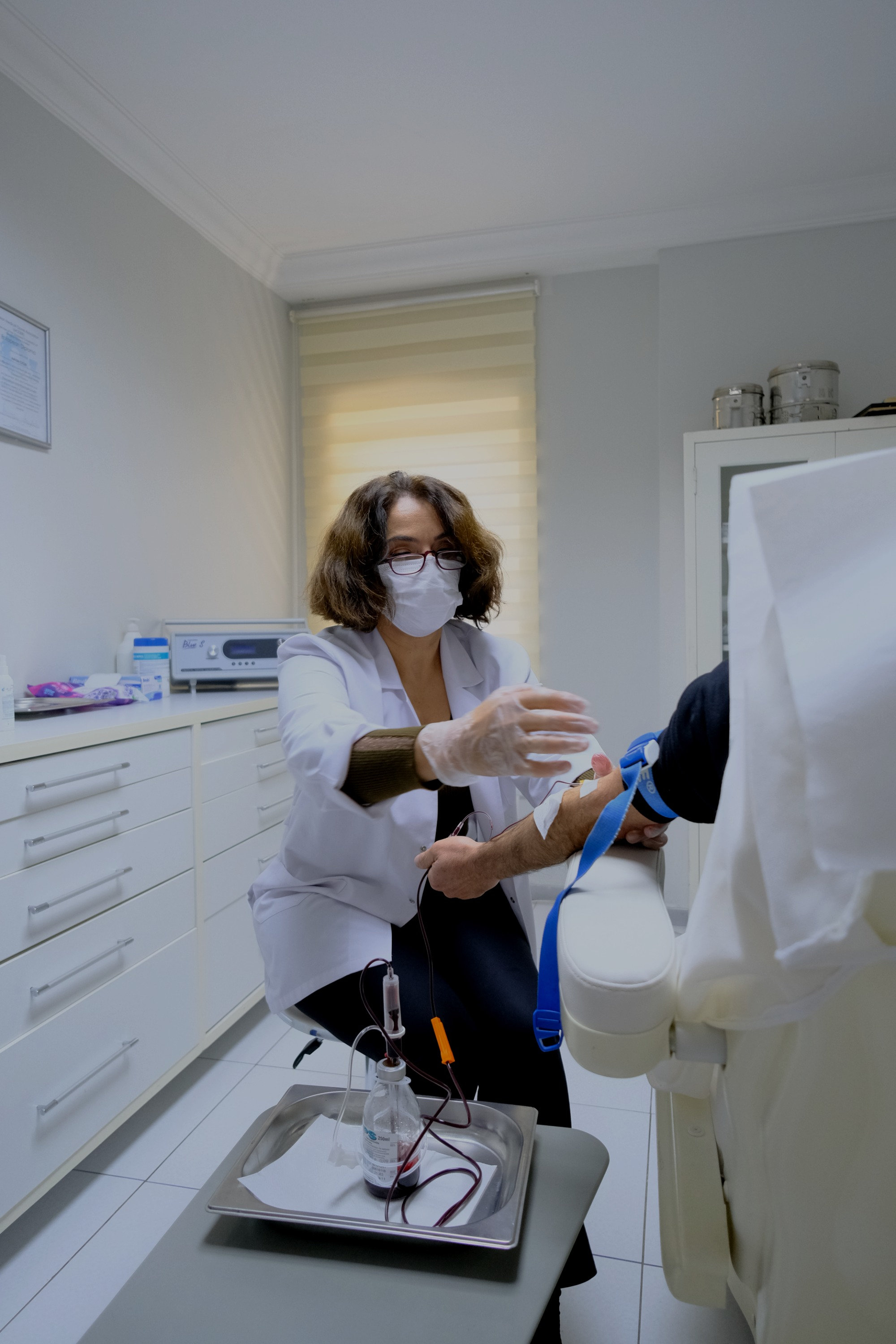
The application method is selected after a physician assessment. In commonly used major autohemotherapy, a measured amount of blood is withdrawn into a closed sterile system, exposed to a medical oxygen-ozone mixture prescribed by the physician, and returned through the same intravenous line. The method, dose, and number of sessions are planned for the individual.

A Plan Tailored to You
The application does not replace diagnosis or treatment; the method and dose are determined individually by a physician.
Ozone therapy may be planned as a complementary application only after a physician assessment. Suitability, expected benefits, and possible risks are considered individually before a session.
OZONE THERAPY
Individual Planning After a Physician Assessment
01—09
Planning Before an Application
- Your medical history and current concerns are reviewed.
- Current medicines, allergies, and pregnancy status are discussed.
- Examination and test results are reviewed when necessary.
- The method, dose, and session plan are tailored to the individual.
- Expected benefits, possible risks, and alternatives are explained.
- The application begins only after informed consent is obtained.
- The application does not replace an existing diagnosis or treatment.
- It must be performed by a certified physician in an authorized unit.
- Follow-up and reporting of unexpected symptoms are planned after the session.
Conditions You Must Inform Your Doctor About Prior to the Application
- A history of cardiovascular disease.
- High blood pressure that is not under control.
- Pregnancy or breastfeeding.
- Anemia or another blood-cell disorder.
- Recent bleeding.
- A clotting disorder or use of blood-thinning medicine.
- A pancreatic condition.
- Asthma or a known allergy history.
- A thyroid condition.
- An enzyme deficiency, another chronic condition, or regular medicine use.
Medical information notice
The information on this page is general and does not replace an examination, diagnosis, or personal medical advice. Suitability, method, expected results, and possible risks can only be determined through a physician assessment.
Results may vary with every surgical or invasive procedure. Ask your physician for detailed advice before treatment.
Last updated: September 4, 2026 · Website editor: [email protected]